
Provenance Caviar: 7 Reasons Why Caviar Origin Defines True Luxury
March 9, 2026
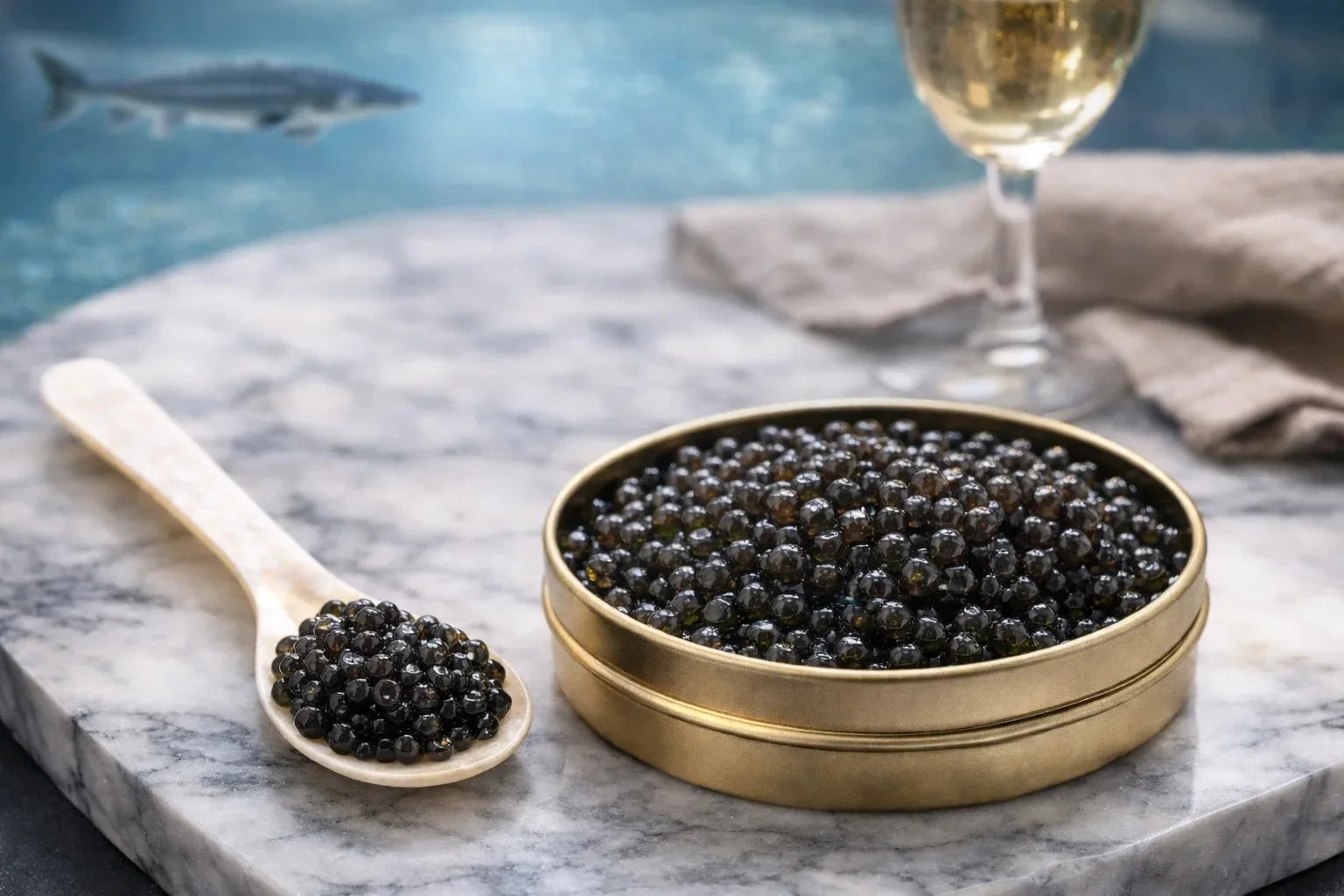
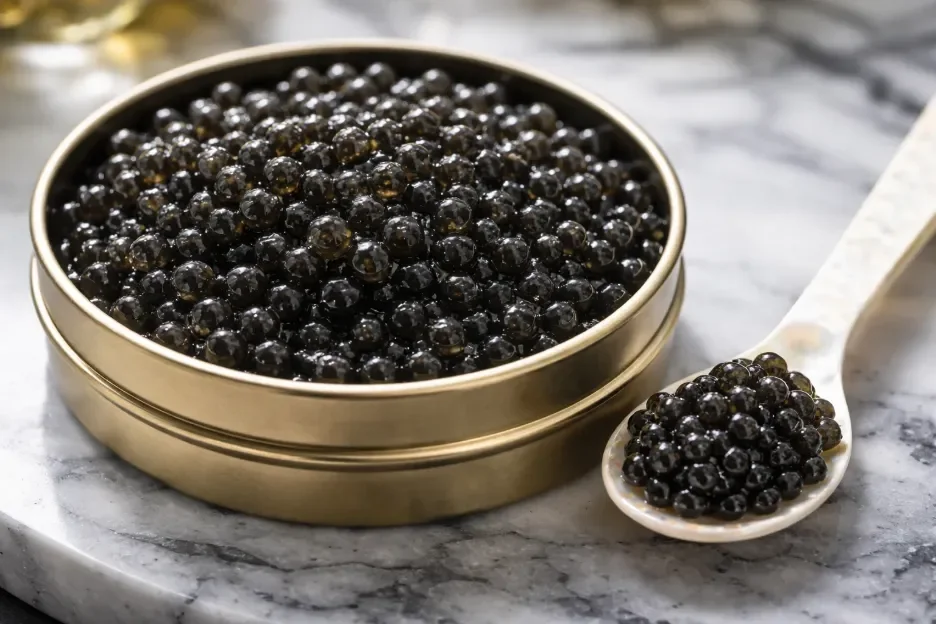
Luxury foods rarely become legendary by accident. Behind every truly exceptional ingredient there is usually a story that begins long before the food reaches a plate. In the world of gastronomy, few ingredients illustrate this idea better than caviar. At first glance it appears simple—small shimmering pearls served in elegant tins—but once you begin to explore its culture, you quickly realize that the real story lies in its origin. This is exactly where the idea of provenance caviar becomes important.
For centuries, caviar has symbolized celebration, refinement, and prestige. Royal courts once served it as a rare delicacy, and today it continues to appear in the most refined dining experiences around the world. Yet experienced chefs and serious gourmet enthusiasts know that not all caviar is the same. The real difference often lies in something invisible at first glance: the environment where the sturgeon lived and the care involved in producing the roe.
Understanding caviar origin reveals that every tin carries a history shaped by water, climate, time, and craftsmanship. The minerals present in the water, the feeding practices used by farms, and the years required for sturgeon to mature all influence the flavor and texture of the roe. When people begin asking where caviar comes from, they are actually beginning to understand why some caviar is unforgettable while other varieties feel ordinary.
In recent years, the luxury food industry has shifted toward greater transparency. Buyers now expect to know the story behind what they consume. This has made luxury caviar sourcing and the documentation of sturgeon farm origin essential parts of the modern market. Consumers are no longer satisfied with a prestigious label alone; they want to understand the journey behind the product.
The concept of premium caviar provenance therefore represents more than a marketing idea. It reflects a deeper appreciation for craftsmanship and environmental conditions that shape flavor over many years. Once you begin to explore these details, caviar becomes far more than a luxury ingredient—it becomes a story of patience and place.
1. Provenance Caviar Reveals the Story Behind Every Tin
When someone tastes exceptional caviar for the first time, they often notice the texture and subtle salinity immediately. Yet experienced connoisseurs rarely start their evaluation with taste alone. Instead, they begin by learning about the origin of the roe itself. The concept of provenance caviar exists precisely because the history of the product plays such an important role in its identity.
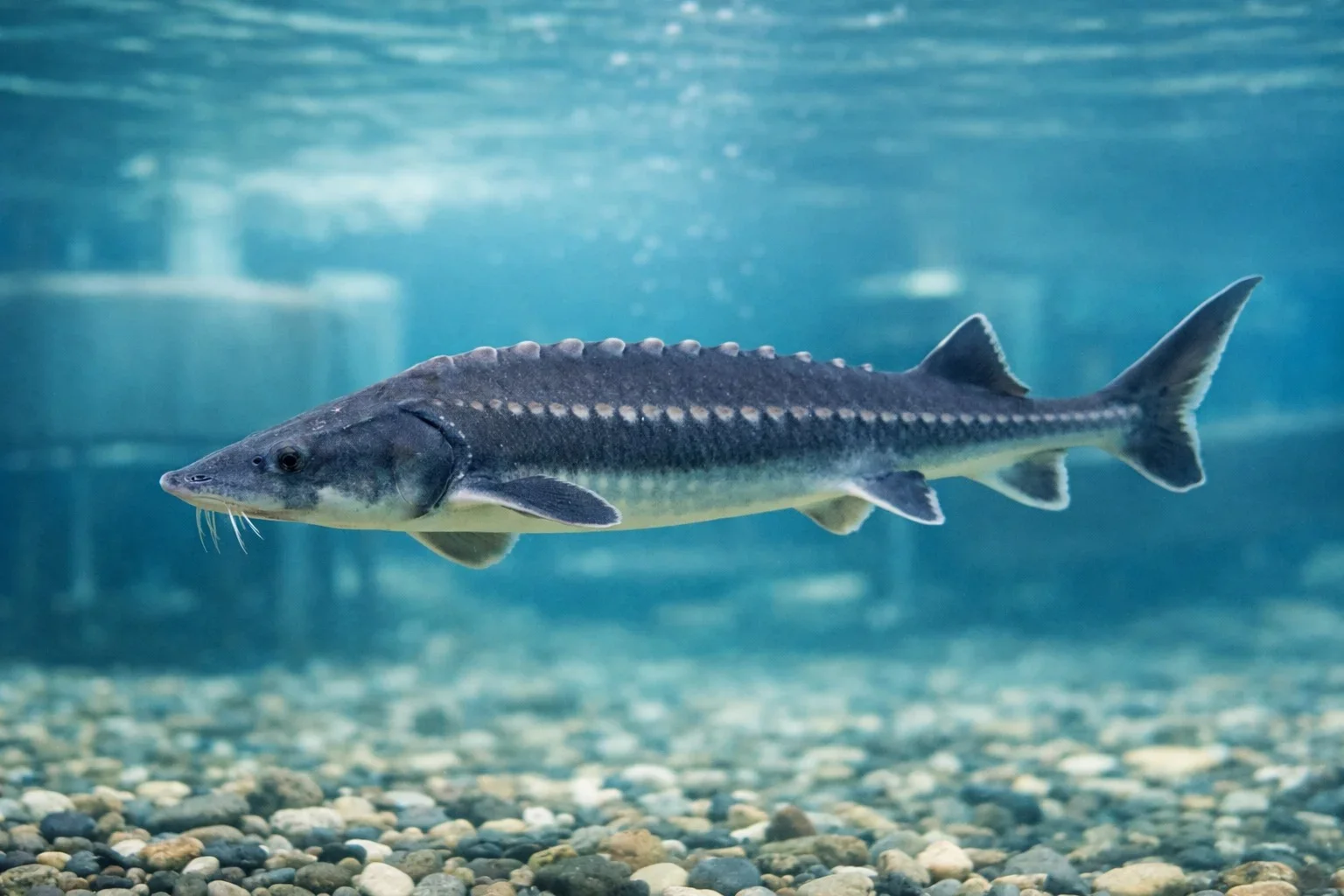
Sturgeon are unique fish in the culinary world. Unlike many seafood species that mature quickly, sturgeon require extraordinary patience. Some varieties need ten to fifteen years before they begin producing roe suitable for caviar. During this long period the fish absorb the characteristics of their environment. The mineral balance of the water, seasonal temperature changes, and the feeding program implemented by the farm all contribute to the final flavor of the eggs.
Because of this long maturation period, the origin of the fish becomes inseparable from the quality of the roe. When producers clearly explain the caviar origin, they are offering buyers insight into the environmental conditions that shaped the product. This level of transparency helps chefs and collectors recognize genuine quality.
The idea of premium caviar provenance therefore adds depth to the tasting experience. Instead of seeing caviar simply as an expensive ingredient, diners begin to appreciate the years of care that made it possible.
2. Caviar Origin Influences Flavor More Than Most People Expect
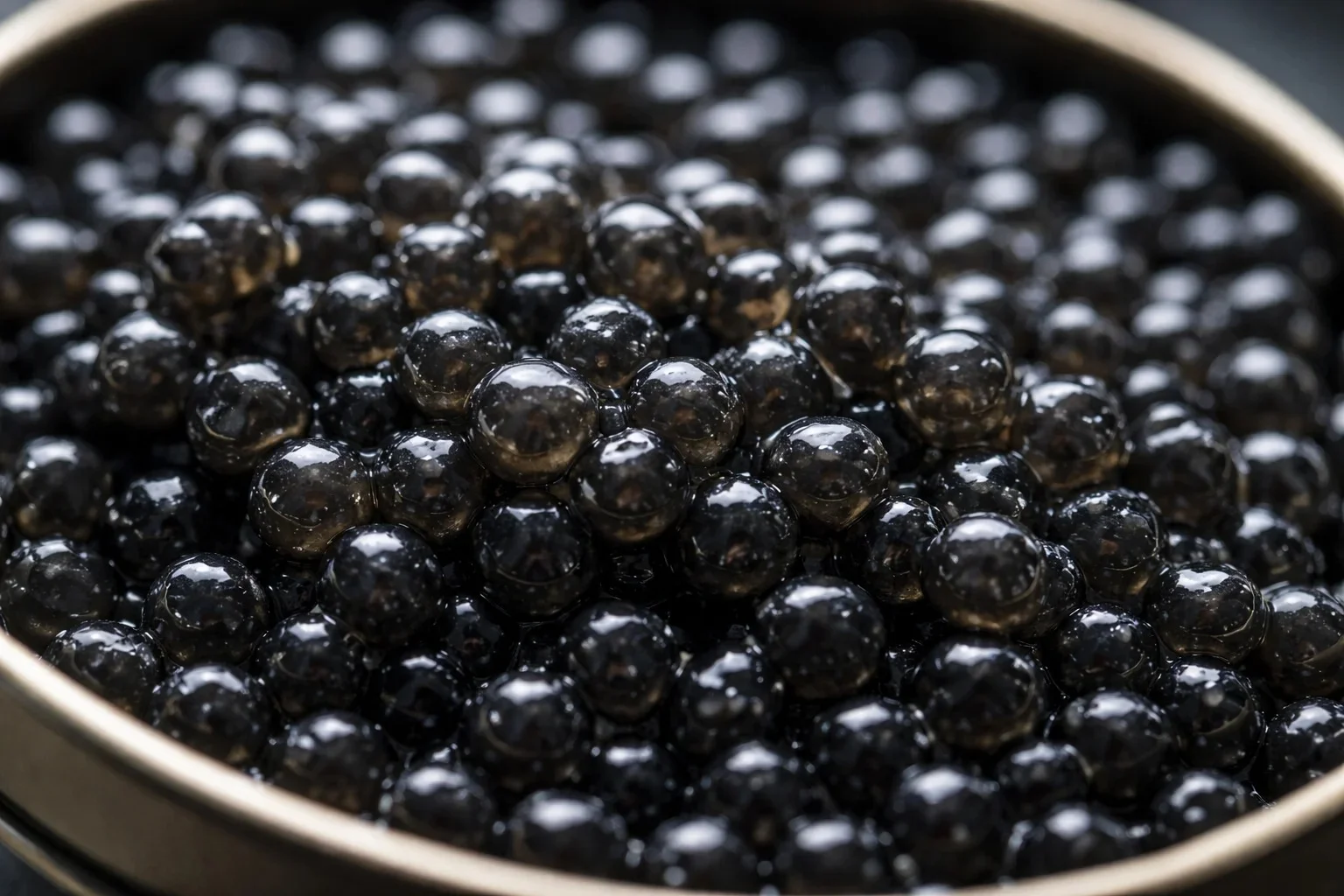
Many people assume that all caviar tastes roughly the same. However, the moment different varieties are tasted side by side, subtle but noticeable differences quickly emerge. Some roe have a creamy, buttery texture with a smooth finish, while others display deeper nutty tones or a slightly briny complexity. These variations often originate from differences in caviar origin.
Environmental conditions play a surprisingly powerful role in shaping flavor. Water chemistry, for example, influences the mineral composition absorbed by the fish during its lifetime. Temperature stability affects how the eggs develop during maturation, while feeding programs influence the richness and balance of the roe.
This is why professional chefs frequently ask where caviar comes from before selecting a product for their menu. Understanding the environment where the sturgeon lived helps them predict the flavor profile they can expect.
Historically, the legendary Caspian caviar origin established the reputation of caviar as one of the world’s most luxurious foods. The waters of that region provided ideal conditions for several sturgeon species, creating roe known for its elegant flavor and refined texture. Even today, modern aquaculture farms often attempt to recreate similar environmental conditions.
Understanding these subtle environmental influences allows diners to appreciate provenance caviar not just as food but as a product shaped by nature and time.
3. Luxury Caviar Sourcing Requires Years of Patience and Expertise
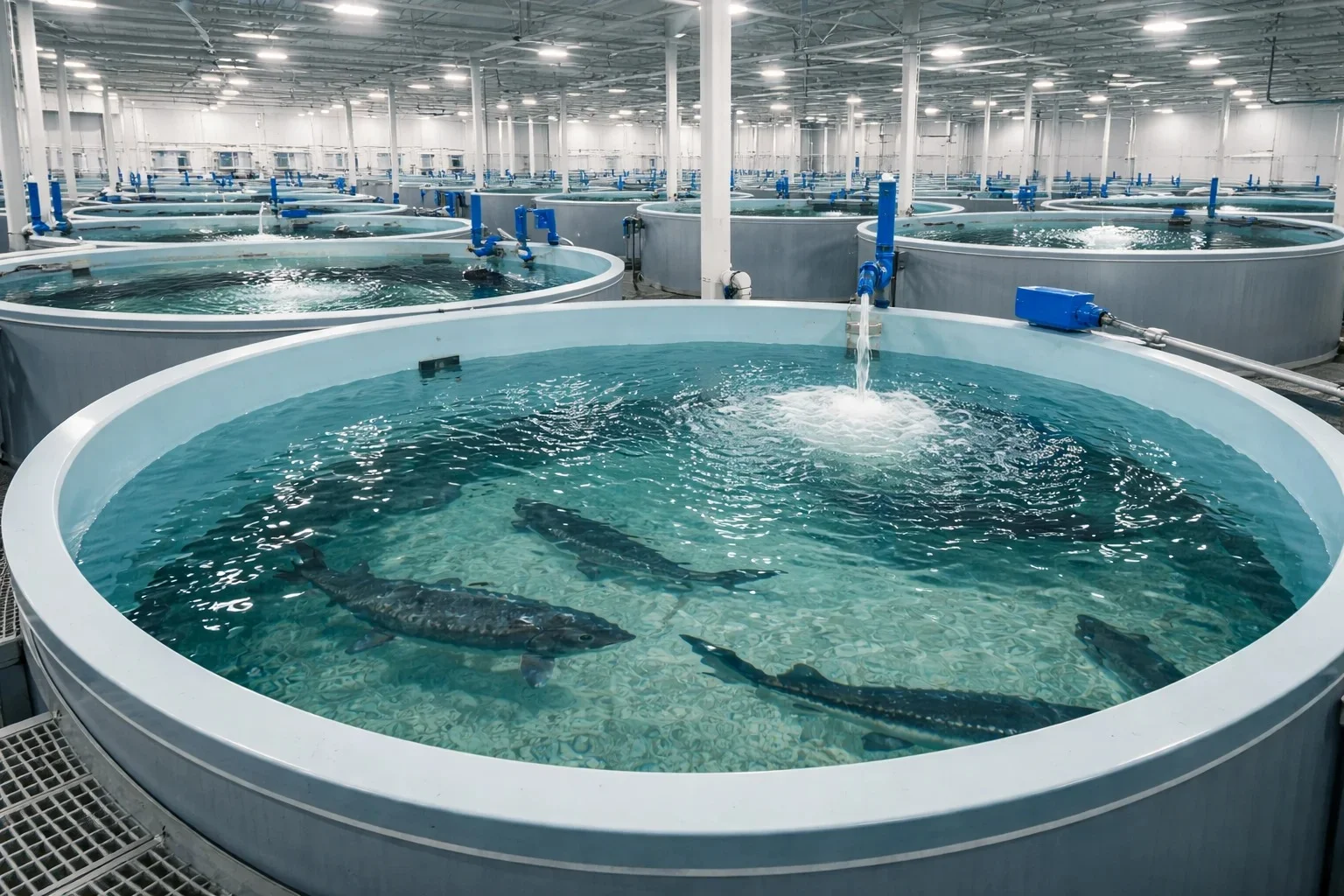
Producing exceptional caviar is not simply a matter of raising fish. It requires patience, technical knowledge, and long-term investment. Responsible farms carefully design aquaculture systems that maintain ideal living conditions for sturgeon throughout their long maturation period.
This careful process is what defines luxury caviar sourcing. Farms monitor water purity continuously, regulate oxygen levels, and maintain feeding programs designed to support healthy growth. These practices ensure that the roe develops gradually and retains its delicate structure.
Because the production cycle is so long, producers must think in decades rather than seasons. A single generation of fish may require more than ten years before producing roe suitable for harvest. This extraordinary timeline explains why high-quality caviar commands such respect within the culinary world.
Understanding the sourcing process also highlights the importance of the sturgeon farm origin. Farms that maintain stable ecosystems and responsible management practices tend to produce roe with greater consistency and flavor complexity.
4. Sturgeon Farm Origin Plays a Key Role in Sustainability
The global caviar industry has changed dramatically during the past century. Overfishing and environmental pressures once threatened many wild sturgeon populations. In response, international regulations were introduced to protect these ancient fish.
Today, responsible aquaculture farms have become essential for the future of caviar production. The sturgeon farm origin determines whether the fish are raised in environmentally responsible conditions that protect both ecosystems and species.
Modern farms are often designed to mimic natural river systems while maintaining careful control over water quality and fish health. This approach allows producers to create exceptional roe without placing pressure on wild populations.
For buyers who care about sustainability, learning where caviar comes from provides reassurance that the product supports responsible practices.
5. Global Caviar Regions Create Distinct Styles
Although the Caspian Sea once dominated global production, modern aquaculture has expanded the industry across several regions. Each region now contributes its own style and flavor profile.
| Region | Production Method | Flavor Profile | Reputation |
| Caspian Region | historic wild harvest | rich, buttery, complex | legendary origin |
| Western Europe | advanced aquaculture | balanced and refined | premium consistency |
| Middle East | emerging farms | creamy and elegant | boutique luxury |
| Asia | large scale production | mild and smooth | global supply |
These regional differences illustrate how environment and production methods influence caviar characteristics.
Frequently Asked Questions
What does provenance mean in caviar?
Provenance refers to the traceable origin of the roe, including where the sturgeon was raised and how the caviar was produced.
Why does caviar origin affect taste?
Environmental conditions such as water composition, feeding practices, and fish maturity influence the flavor and texture of the roe.
Is farmed caviar sustainable?
Modern aquaculture farms are designed to protect wild sturgeon populations while producing high-quality roe.
Discover the Story Behind Exceptional Caviar
Once you begin to understand the importance of origin, tasting caviar becomes a far richer experience. Each tin represents years of patience, environmental influence, and craftsmanship.
At Monsieur Nia Caviar, every selection reflects careful sourcing and authentic production practices designed to highlight exceptional flavor.
For a complete gourmet experience, explore how different varieties pair with fine wines.